
Have you ever wondered why some days you feel sluggish while others you’re bursting with energy, even when everything else seems the same?
The answer might lie in a hormone you’ve probably never thought about known as the thyroid-stimulating hormone, or TSH.
Allow me to explain.
Your pituitary gland, a pea-sized structure at the base of your brain, acts as your body’s primary regulator.
It monitors thyroid hormone levels in your bloodstream constantly, making micro adjustments throughout the day.
When it detects that thyroid hormones are running low, it releases TSH, which travels to your thyroid gland and signals it to produce more hormones.
When levels rise sufficiently, the pituitary pulls back on TSH production. This feedback loop operates continuously, keeping your metabolism balanced.
But sometimes this system becomes overactive.
Your pituitary releases excessive TSH, pushing your thyroid into overdrive. The most common trigger is iodine deficiency.
Your thyroid needs iodine to manufacture thyroid hormones. When dietary iodine drops too low, hormone production falls.
Your pituitary senses this decline and compensates by flooding your system with TSH.
The second mechanism involves inflammation.
Chronic inflammation can damage thyroid tissue, reducing its ability to respond to normal TSH signals.
Your pituitary interprets this sluggish response as insufficient hormone production and ramps up TSH creating a vicious cycle.
The third pathway is autoimmune interference. Sometimes your immune system creates antibodies that block thyroid hormone receptors throughout your body.
Even though actual hormone levels appear normal in your bloodstream, your cells can’t access them.
Your pituitary detects this cellular deficiency and increases TSH production, unaware that the problem isn’t production but delivery.
So what can you do?
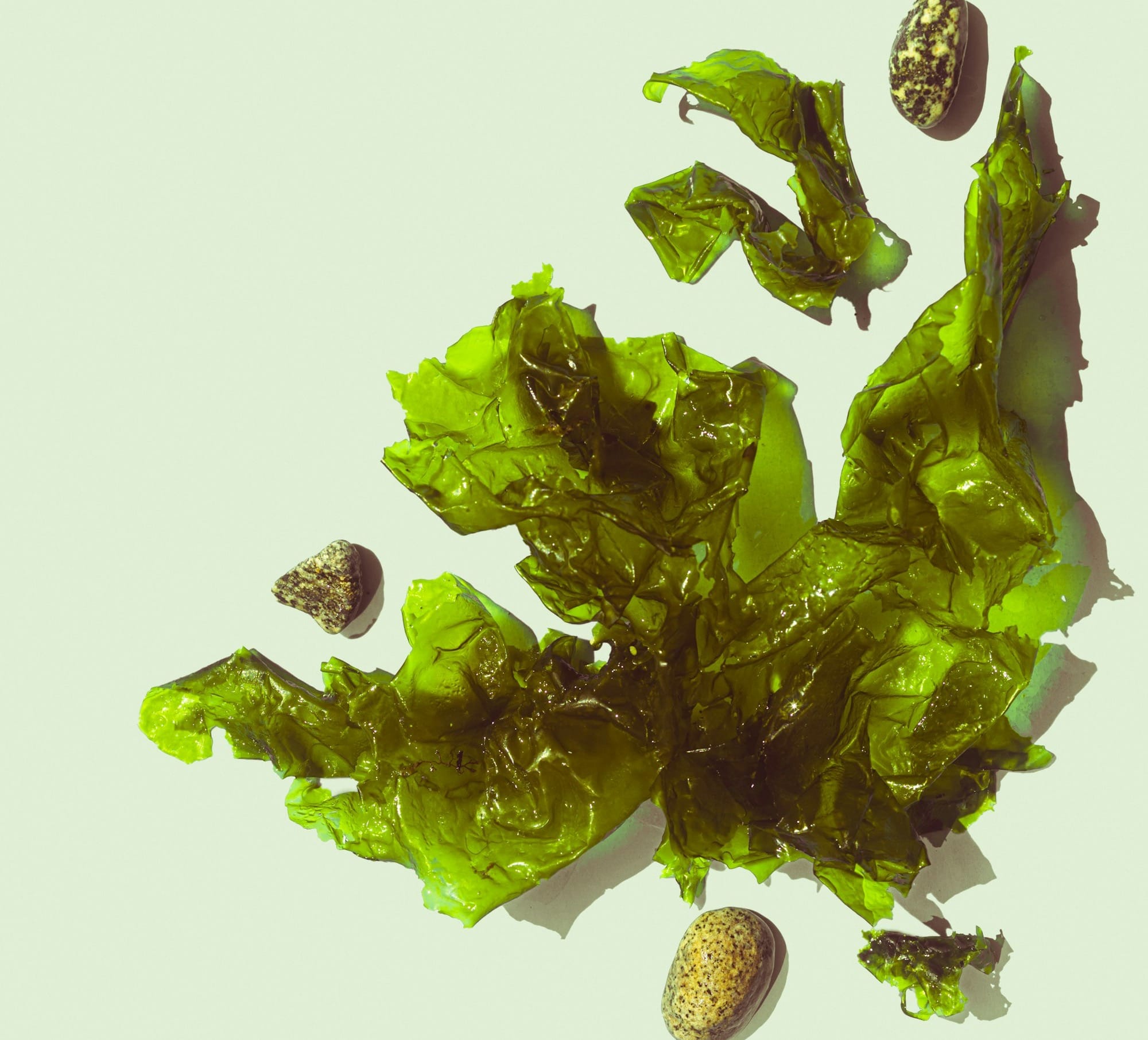
Ensure that you have enough iodine. Great sources include seaweed, fish, or iodized salt.
Selenium-rich foods like Brazil nuts help convert thyroid hormones into their active forms.
Zinc from pumpkin seeds supports the feedback signaling between thyroid and pituitary.
Your body is magical at indicating when it is out of balance. Your job is simply to restore it to homeostasis.
Reach out to me on twitter @rbawri Instagram @riteshbawriofficial and YouTube at www.youtube.com/breatheagain/