Plastic: is your water bottle leaking?

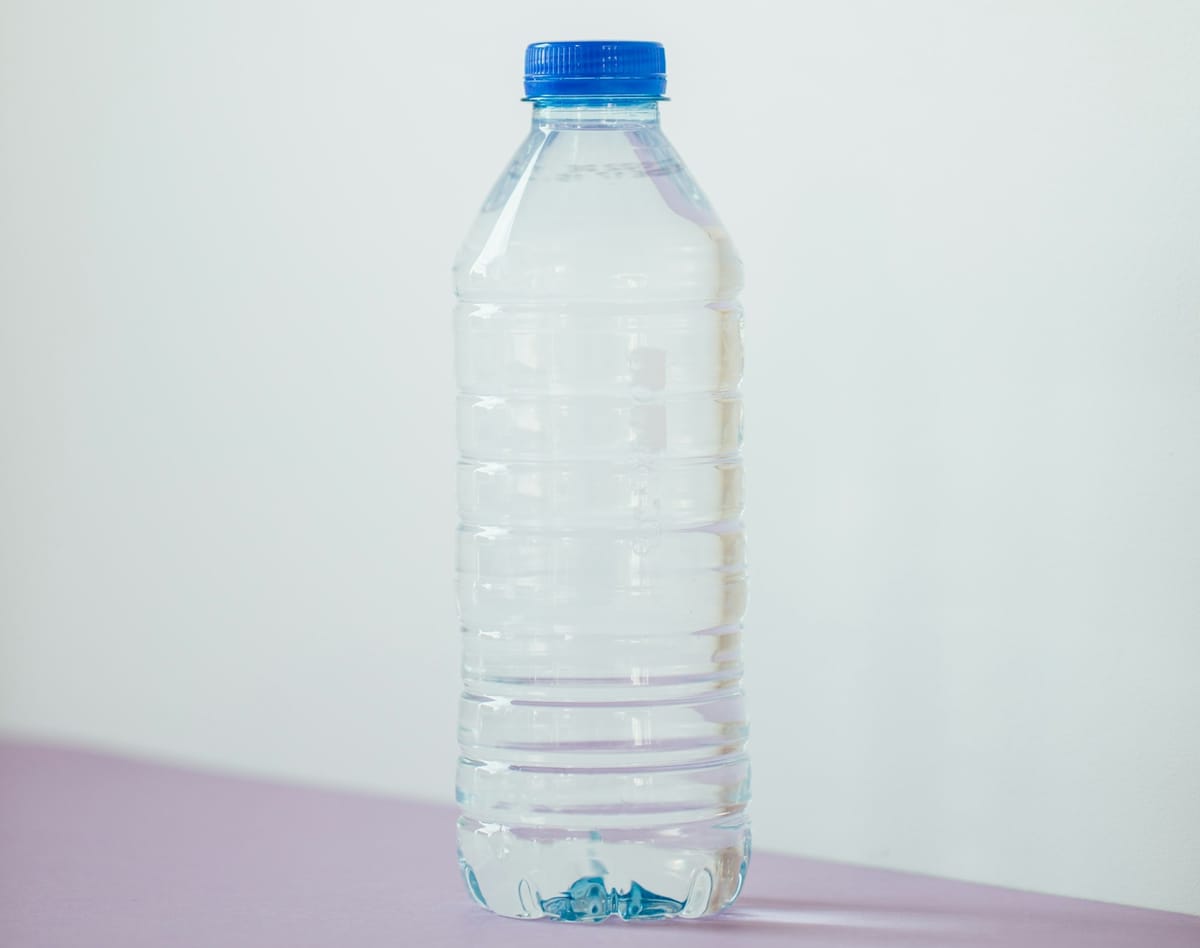
Are you worried about the water you drink? Perhaps you switched to bottled water? I hear many people tell me they did. You think you have done yourself a favor.
But have you?
Most bottled water comes in plastic bottles. It is the most convenient. It does not break while being transported. But plastic is not a single material.
It is a matrix of polymers held together by chemical additives. Plasticizers for flexibility. Stabilizers for durability. These additives are not chemically bonded to the plastic structure.
They sit within it. And over time, they migrate.
This migration happens through diffusion. Molecules move from higher concentration to lower concentration. The additives inside the plastic slowly travel outward into whatever liquid the plastic contacts.
Here is what research has measured.
Within 24 hours, studies have detected bisphenol A releasing from polycarbonate containers at room temperature. After one week of storage, antimony levels in PET bottles show measurable increases.
By three months, antimony concentrations can double compared to freshly bottled water. After six months, multiple studies document continued accumulation of phthalates and other plasticizers.
These levels typically remain below regulatory safety thresholds. Often 100 to 1000 times below. But here is the truth. Those thresholds were established for individual chemicals in isolation.
Your body encounters dozens of plastic derived compounds simultaneously. Long term cumulative effects remain poorly studied. Scientists disagree on whether current limits are adequately protective.
Certain factors accelerate the timeline. Sunlight degrades polymer structure, increasing migration pathways. Acidic beverages pull chemicals faster than neutral water.
Scratched or repeatedly used containers leach more than new ones. A bottle in a hot car for one afternoon can release what months of room temperature storage would.
So what does this mean?
Fresh water consumed within days poses minimal measurable concern. Water stored for weeks accumulates detectable compounds.
Water stored for months in degraded containers reaches the upper range of what studies have examined.
Science cannot yet tell you precisely when safe becomes unsafe. But it can tell you that time and plastic are not natural partners.
The longer water sits, the more it carries the signature of its container.
Reach out to me on twitter @rbawri Instagram @riteshbawriofficial and YouTube at www.youtube.com/breatheagain